

Healing Hearts Worldwide
Our organic standards
Physiological Effects and Benefits of Dietary Nitrates
1. Vasodilation and Improved Blood Flow
Nitric oxide signals smooth muscle cells surrounding blood vessels to relax, leading to vasodilation. This process yields benefits such as:
- Decreased Systemic Vascular Resistance: Blood vessels widen, allowing blood to flow with less resistance, lowering both resting and exertional blood pressure.
- Targeted Delivery to Type II Muscle Fibers: Nitric oxide reduction is active in hypoxic (low-oxygen) and acidic environments, enhancing oxygen and nutrient delivery to fast-twitch muscle fibers.
2. Enhanced Athletic Endurance and Efficiency
Nitric oxide improves muscle energy generation during exercise by:
- Reduced Oxygen Cost of Exercise: Nitrates improve mitochondrial efficiency, reducing oxygen needed for ATP production and lowering metabolic cost.
- Improved Calcium Handling: Nitrates help maintain muscle contraction strength by preserving calcium processing, delaying fatigue.
- Extended Time to Exhaustion: Lower oxygen requirement and metabolic strain help athletes sustain exercise longer.
3. Practical Supplementation
- Optimal Timing: Peak nitrate levels occur 2–3 hours after ingestion.
- Effective Dose: Typical doses are 300–500 mg of inorganic nitrate (about 600 ml of standard beet juice or 70 ml concentrated shot).
- Reduced Conversion by Mouthwash: Antibacterial mouthwash or chewing gum can block nitrate conversion by killing oral bacteria.
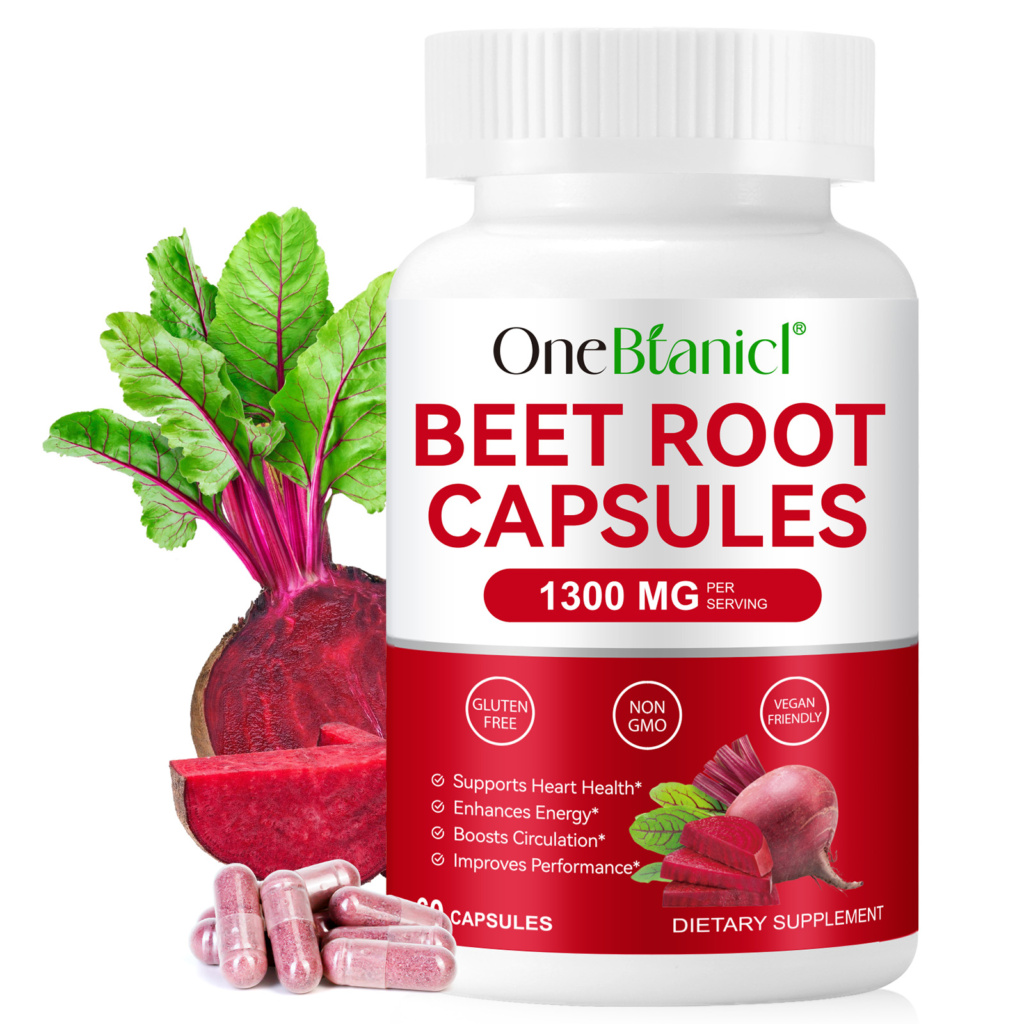
Raw Beetroot Powder:
Provides natural benefits such as supporting heart health and enhancing energy levels.
Health Food Grade:
Ensures the product meets high-quality standards for safe consumption.